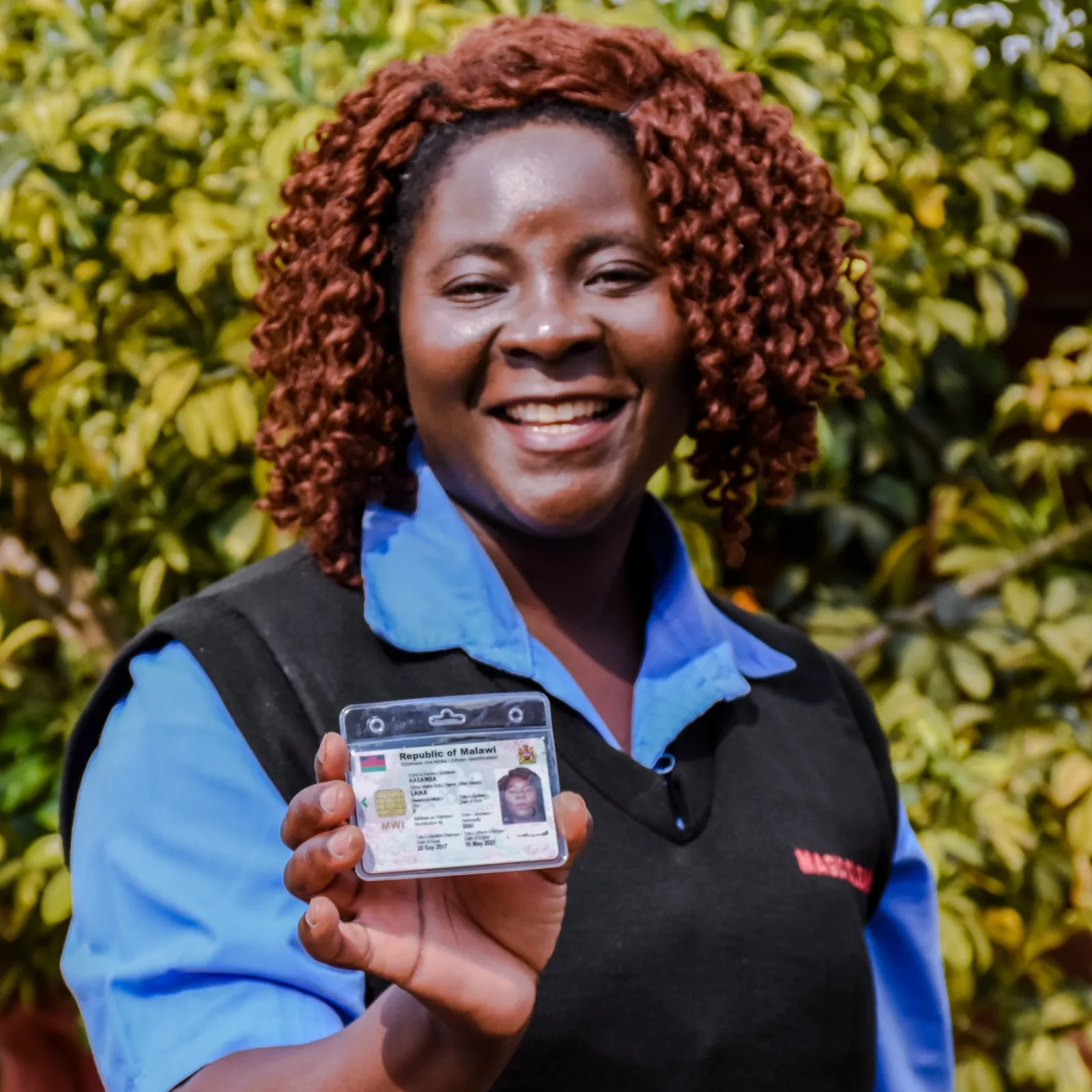



Digital public infrastructure (DPI) is transforming societies, powering innovation and momentum for rapid digital transformation. Today, DPI is a global priority. In 2023, DPI was selected by the United Nations Secretary General as one of 12 High Impact Initiatives with the ability to accelerate the Sustainable Development Goals.
In 2024, 193 UN Member States agreed on the need for safeguards to ensure that DPI approaches are inclusive, responsible, safe, secure and user-centred, with the adoption of the Global Digital Compact (GDC). The launch of the Universal DPI Safeguards Framework in 2024 was the direct response to that call. The Framework, designed through a multistakeholder process led by the DPI Safeguards Initiative, comprises a set of 350+ good practices that provide governments and institutions a foundation for building and operating responsible DPI.
Countries across 5 regions
pioneered the adoption of the Universal DPI Safeguards Framework and its Principles.
Additional countries
have requested support with safeguards implementation, signalling growing demand.
International organizations
expanded the DPI Safeguards ecosystem and generated a common language around safeguards implementation.
working group members
selected across two cohorts co-created a set of public knowledge assets for the safeguards community.
,
Stakeholders
actively engaged in shaping what responsible DPI looks like in practice through convenings.
,
Organizations
represented a plurality of voices and perspectives, shaping the Initiative from the ground up.
,
Users
across several countries have downloaded the Universal DPI Safeguards Framework as a foundational guidance resource for building safe and inclusive DPI.

By leveraging digital public infrastructure, Brazil is strengthening a set of crucial government policies such as the digital ID, the Unified Registry for social programs, and the innovative Rural Environmental Registry, therefore promoting citizenship, eradicating poverty, and enabling a sustainable future. We are committed to building such infrastructures safely and inclusively, benefiting from the active engagement of our vibrant civil society.
As countries around the world lay the foundational digital rails that will transform their economies and societies for years to come, they face crucial decisions that will shape the well-being of all people. The UNDPI Safeguards Initiative, alongside several partners, is working with countries to chart a course to a safe, inclusive digital future. Together, we'll help make the safe choice the easy choice for every country embarking on a journey toward a digital future.
The DPI Safeguards Initiative ensures that digital public infrastructure is developed in ways that protect openness, trust, and user rights. As DPI systems scale globally, success will depend not only on sound public governance, but also on the meaningful participation of private sector actors that operate critical digital infrastructure.
As Uganda accelerates the rollout of digitalpublic infrastructure, our key concern hasbeen that digital systems are advancingfaster than safeguards, public understanding,and meaningful participation. Through ourengagement in the DPI Safeguards Initiative,we have recognised the critical importance ofstrengthening the capacity of civil societyactors and facilitating multi-stakeholderdialogue on digital rights and safeguards. Thishas enhanced more confident engagementwith duty bearers on implementation gapsand is contributing to the emergence of astronger, more coordinated civil societymovement advocating for inclusive,accountable, and rights-centred digitaltransformation.
We want digital public infrastructure to address and reduce existing inequalities, particularly for women and disadvantaged groups. For this reason, GovStack’s ‘Women in GovTech Challenge’ promotes a human-centered, inclusive approach to building digital public infrastructure. Consequently, the DPI Safeguards Initiative is our natural partner and has helped our participants to develop their solutions in line with responsible standards from the outset – not merely as a matter of fairness, but as a prerequisite for building systems that truly serve everyone.

With the launch of the MyMzansi roadmap,South Africa is building integrated digitalpublic infrastructure that connects digitalidentity, data exchange, payments andservices into a single system for accessinggovernment services. We have committed to the Universal DPI Safeguards and are embedding these into the design from the outset, alongside open standards and digital public goods principles. In parallel, we are beginning to formalise more structured engagement with civil society following initial consultations.
Digital public infrastructure will only deliver on its promise if people trust it. That’s why the DPI Safeguards initiative is so critical - it embeds safety, inclusion, and accountability from the start. When safeguards are foundational, nation‑led DPI can scale responsibly, reach the most underserved, and become a powerful driver of equitable growth and sustainable development.
Digital public infrastructure is rapidlyreshaping the way people access and usefinancial services. Through the Global DPIInsights Community, the Center for FinancialInclusion at Accion is exploring risks to userexperience and trust, as these systems rollout across the world. This work is taking placealongside technical partners GSMA, CCAF,the UN Safeguards Initiative and IntegralGovernance Solutions, and with support fromthe Mastercard Center for Inclusive Growth.The UN’s Universal DPI Safeguards Initiativeis playing a vital role by turning lessons intopractical guidance for those building DPI.Together, we are helping policymakers andleaders create DPI systems that are secure,affordable, and able to reach underservedpeople at scale.
Countries are at different stages of their DPI journeys, but the need for safeguards is universal. DPI must be safe and inclusive to earn user trust and achieve widespread adoption. By promoting the use of the DPG Standard as part of the Universal DPI Safeguards Framework and through our collaboration on the Safeguards Accelerator program, we provide countries and organizations practical pathways from commitment to action.
Two years of implementation have shown us that safeguards are not a constraint on digital progress; theyare the foundation of it. Countries that embed safeguards from the start build systems that are trusted,adopted, and sustainable. That is the lesson, and it is the ambition driving everything we do next.

The Universal DPI Safeguards Frameworkprovides us with a structured, rights-basedlanguage and methodology to strengthen ouradvocacy for a hybrid system — one thatincludes non-digital pathways as a right. Thisaligns with digital public infrastructureprinciples to promote trust, accountability, andhuman rights in digital transformation. As theSouth African government moves swiftly towardthe digitisation of other permanent grants andsocial services, the Universal DPI SafeguardsFramework is becoming increasingly significantto our work.


UNICEF is one of our key partners, especially when it comes to DPI. Even though we are now taking it further by conducting pilots, we are also working closely with UNICEF on DPI safeguards. We will therefore collaborate with them to establish our own local DPI safeguards framework.
Digital transformation must be inclusive from the start. These safeguards ensure that no child is left behind and that families can access services with confidence and dignity.
Phase 2 (2026-2028) of the Universal DPI Safeguards Initiative is a strategic response to the lessons of the last two years and aims to unlock new levels of commitment, capacity and capital.
The Initiative will shift its efforts from driving implementation to empowering practitioners in the broader ecosystem to lead with purpose, to ensure long-term sustainability. Phase II will support countries via structured ecosystem pathways, such as the DPI Safeguards Accelerator Programme. The review of the Global Digital Compact in 2027 will uphold global momentum around safeguards and will serve as a mid-way milestone for measuring progress on their uptake and adoption.
Around the world, there is growing recognition of the importance of safeguards and the economic gains that can be achieved with safe, trustworthy DPI. As a result, demand is outpacing what the Initiative can support. Beyond the nine active engagements, more than 15 additional countries have formally requested safeguards support and that demand continues to grow.
Initial investments have moved the Initiative from pioneering work to global momentum, but more resources are needed to match the scale and ambition of the opportunity.
The stakes could not be higher. Human development progress is experiencing an unprecedented slowdown – but digital transformation could reignite development. Digital transformation can help developing countries leapfrog decades of slow development and catalyse economic growth. To achieve this, DPI must reach population scale. That can only happen when people trust the systems they use, and that trust is built through safeguards.
Now is the time to act. With digital transformation accelerating globally, countries that build DPI without safeguards risk building systems that people don’t trust, and don’t use, ultimately collapsing the economic and societal models they were designed to support.
Meeting the next phase and delivering impact requires closing a critical funding gap.
The DPI safeguard initiative is grateful for the generous support of Phase 1 Co-Develop and the Gates Foundation.